Cheap materials don't just cost less — they cost you time, labor, and reputation on the jobsite. Here's what "cheap" really means on a post-frame build, and why the lowest bid often becomes the most expensive mistake.
The Invoice Is Only the Beginning
In construction, everyone sees the number first. Lower material cost, sharper bid, tighter margins — on paper, it looks smart. It feels efficient. Sometimes it even feels necessary.
In post-frame construction, though, the cheapest number rarely tells the full story.
At Western, we've seen what happens when post-frame building materials show up almost right: trusses that are technically engineered but bowed. Steel roofing that technically fits but fights you the whole way down the roofline. Columns that technically meet spec but don't feel solid when they hit the ground.
"Technically fine" becomes practically expensive. And the contractor is the one who pays.
Cheap Upfront, Expensive in the Field
Post-frame building materials don't fail in the warehouse. They fail on the jobsite. That's where the real cost shows up: your crew standing around while you figure out a fix, extra hours shimming and adjusting, and explaining delays to a customer who doesn't care whose fault it is.
When something's off, no one calls the supplier first. They call you — because it's your name on the building.
Cheap materials don't just cost money. They cost time. And time is the one thing you don't get back.
The Labor Multiplier No One Talks About
Here's what doesn't get talked about enough in post-frame construction:
A small defect in materials multiplies in labor. A slightly twisted truss becomes an hour of adjustment. Steel that doesn't lay down clean becomes a half-day headache. Columns that aren't laminated right become long-term structural risk.
That's payroll. That's schedule pressure. That's stress on your crew.
When the job runs long, your next project starts tight. Then everything stacks. Most contractors don't lose money because they can't build. They lose money because something upstream — usually the materials — slowed them down.
Reputation Is the Real Asset
Customers don't see your supplier. They see you. They don't care if the steel came in wrong; they care that the roof isn't straight. They don't care if the truss plant rushed production; they care that the interior ceiling line looks off.
When a building doesn't look right, your reputation takes the hit — even if the issue started somewhere else.
That's the real cost of cheap pole barn materials. One job that doesn't sit right in a customer's mind can undo five that went perfectly.
Why Vertical Integration Changes the Game
This is one of the reasons Western manufactures what we sell.
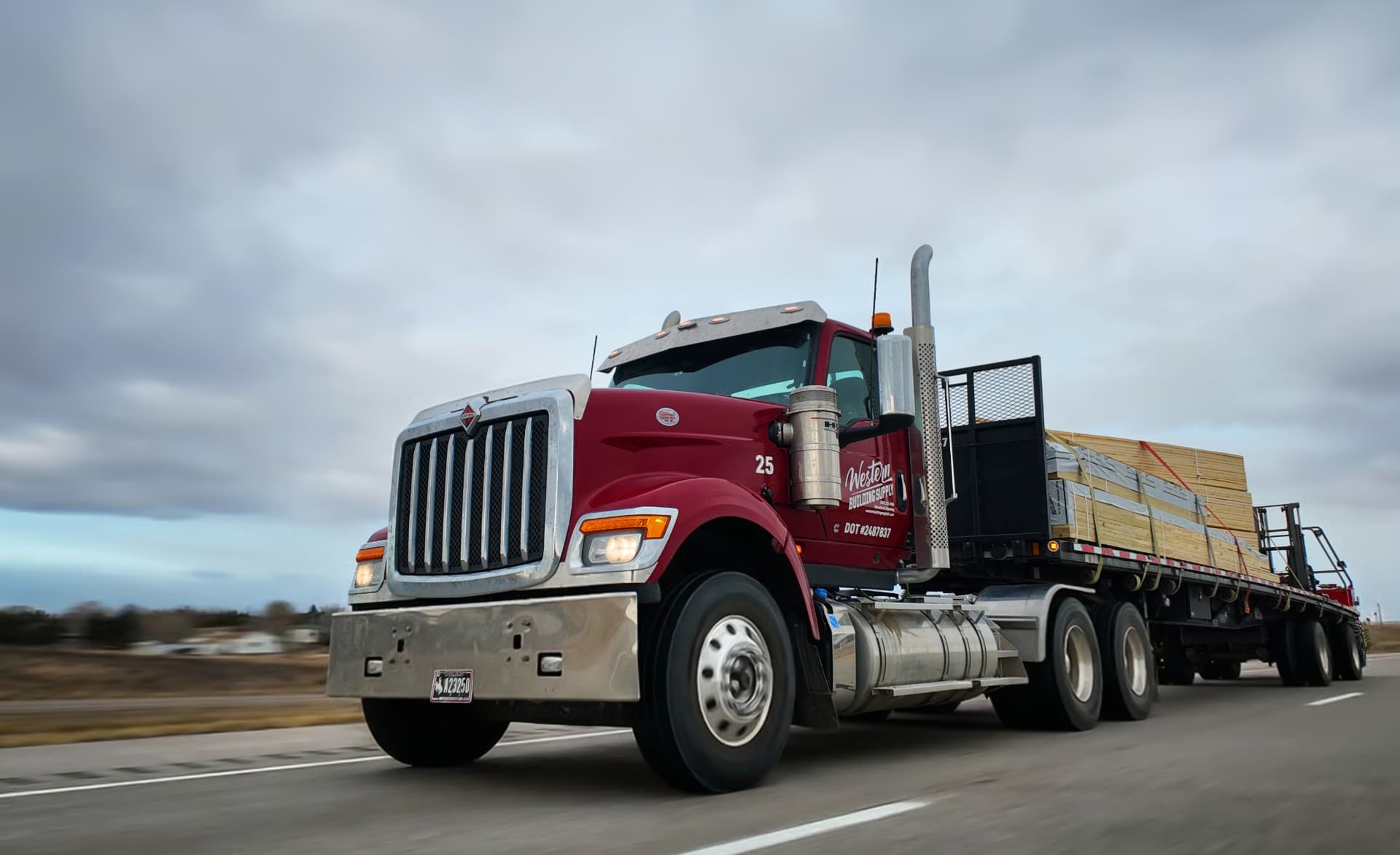
Our custom trusses, steel roofing and siding, and laminated columns aren't brokered from three different plants. They're built under one roof in Wheatland, Wyoming — and they ship together, from the same team that built them.
When you control production, you eliminate finger-pointing. If something's wrong, we own it. But more importantly, controlling the process reduces the chance it goes wrong in the first place.
Most post-frame suppliers are brokers. They're coordinating between a truss plant in one state, a steel supplier in another, and a column vendor somewhere else. Three different quality standards. Three different timelines. And when something doesn't line up on your jobsite, you get three different people pointing fingers.
We run the line. We check the product. We load the truck. That's what consistency actually looks like — and it's why our contractors don't fight materials in the field.
The Cheapest Bid vs. the Strongest Build
There's a difference between being competitive and being cheap. Competitive means efficient, disciplined, and dialed in. Cheap means cutting somewhere and hoping it doesn't show.
On a post-frame job, it always shows. Sometimes it shows in a callback. Sometimes it shows in lost sleep. Sometimes it shows in a customer who never calls you again.
The best contractors we work with don't chase the lowest number. They chase reliability. They know that smooth installs, predictable timelines, and clean finishes are what actually protect margin.
What Actually Protects Your Profit
If you want to protect profit on a post-frame construction project, here's what to look for in a building material supplier:
- Materials that install clean and straight — We manufacture our own trusses, steel, and columns. Tolerances are tight because we're watching the line, not hoping a third party got it right.
- Engineering that's right the first time — Our in-house team provides 3D renderings, full specs, and engineer-stamped plans before a single board is cut.
- A supplier who answers the phone — Every contractor gets a dedicated account manager. Not a call center. A person who knows your project.
- Manufacturing that stands behind its product — We don't broker. We build it, we deliver it, and we own it.
- Fewer surprises on site — When trusses, steel, columns, and accessories all come from one source, they fit together. That's not luck. That's process.
The Bottom Line on Post-Frame Building Materials
Savings aren't found in shaving dollars off material cost. They're found in eliminating problems in the field.
The real cost of cheap post-frame building materials isn't obvious at bid time. It shows up when your crew is working late, when your schedule slips, or when you're explaining instead of building.
In post-frame construction, quality isn't a luxury. It's leverage. Contractors who understand that don't just finish jobs — they build reputations that last.
If you're tired of fighting materials in the field, let's talk. We serve professional contractors across Wyoming, Colorado, Montana, Idaho, Utah, South Dakota, Nebraska, Kansas, New Mexico, Texas, and Nevada.