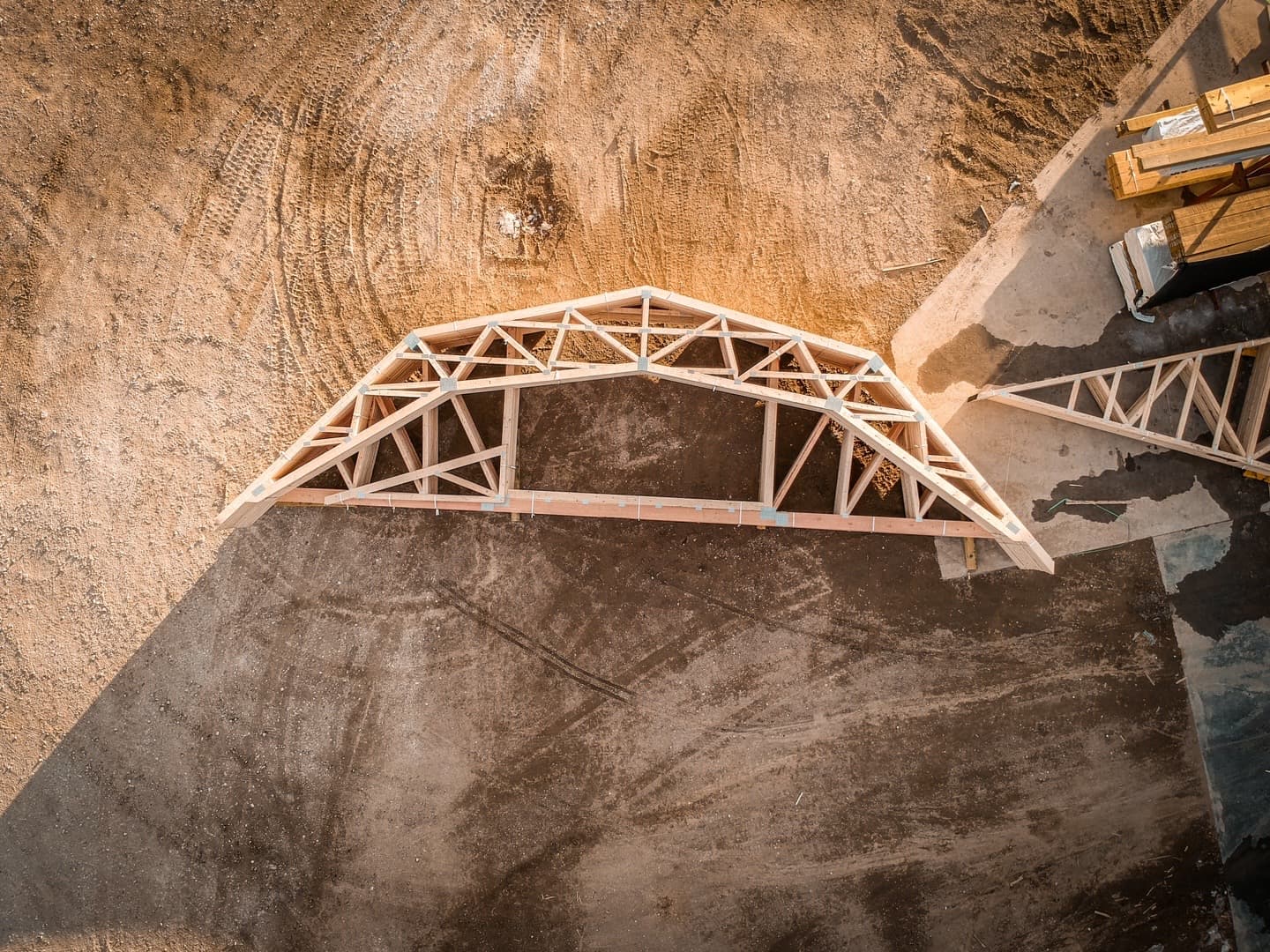
On paper, trusses can look simple. They span a distance, carry a load, and support the roof. However, they don’t just support a structure.
Trusses determine how smoothly a build comes together, how much adjustment is needed onsite, and how well the structure performs long-term.
The biggest difference usually comes down to one thing: whether the trusses were built specifically for the project, or just made to “fit.”
Here’s what that looks like on a real job:
Before Truss Orders Are Placed
Every project has different requirements.
Span, pitch, load conditions, and layout all vary from one build to another. Trusses should reflect those differences, not force the project to adapt.
Generic designs create field problems.
When trusses are based on standard templates, builders often end up making adjustments onsite: shimming, modifying, or working around inconsistencies.
Future use should be considered early.
Attics, equipment loads, and long-term use affect how trusses should be engineered. These decisions can’t be made after production.
Engineering isn’t optional—it’s foundational.
Properly engineered trusses account for real loads, not assumptions. That’s what ensures long-term performance.
During Design and Manufacturing
Precision matters more than most expect.
Small inconsistencies in truss fabrication can create alignment issues across the entire structure.
Built-to-order means built for the job—not the warehouse.
Trusses designed for a specific project eliminate guesswork during installation.
Material quality affects performance over time.
The strength and durability of the lumber directly impact how the structure holds up under stress and environmental conditions.
Consistency across every piece is critical.
When trusses are built on controlled systems with tight tolerances, they arrive ready to install—not adjust.
When Trusses Arrive Onsite
Fit should not be a question.
Experienced builders expect trusses to match the plans and layout without modification.
Clear layout saves time.
When key reference points—like purlin placement—are already marked, installation becomes faster and more accurate.
Handling and staging depend on proper planning.
Larger spans and single-piece deliveries require coordination, but they also reduce the need for splicing and field assembly.
Momentum depends on readiness.
When trusses arrive correct and complete, crews can move immediately into installation without delays.
During Installation
Accuracy speeds everything up.
When trusses fit as intended, crews spend less time adjusting and more time building.
Fewer field fixes mean fewer long-term issues.
Every onsite modification introduces variability. Eliminating those fixes improves overall quality.
Proper alignment affects the entire structure.
Roof lines, load distribution, and finish work all depend on how well the trusses are set.
Installation becomes predictable.
When materials are consistent, the process becomes repeatable—and that keeps projects on schedule.
Long-Term Performance
Strength is built in from the start.
Trusses engineered for specific loads perform better under stress over time.
Durability comes from both design and materials.
Quality lumber and proper engineering prevent sagging, shifting, and premature wear.
Precision prevents hidden problems.
When everything fits correctly from the beginning, there’s less strain on the structure as a whole.
The structure reflects the decisions made early.
Trusses aren’t just part of the build—they shape how the entire system performs for years to come.
The Difference Builders Notice
Builders don’t just look for trusses that arrive—they look for trusses that fit correctly, install cleanly, and perform without issue.
When trusses are right, the rest of the build moves faster. When they’re not, every phase that follows becomes more difficult.
At Western Building Supply, we build trusses the same way builders approach their work—intentionally and specifically for the job. Every truss is designed to match exact specifications, engineered for real load requirements, and built with consistency so it installs the way it should.